Kitchen Appliance Buying Guide: Air Fryers, Blenders and Espresso Machines
Kwik-E Deals is reader-supported: some links may earn us a commission at no extra cost to you. Learn more.
Small kitchen appliances are some of the most common deals of the year, and also some of the most common "why did I buy this?" purchases. The trick is matching the appliance to how you actually cook. Here's a practical guide to three popular categories: air fryers, blenders and espresso machines.
Air fryers
An air fryer is essentially a compact convection oven: a heating element and a powerful fan circulate hot air around food to crisp it with little or no oil. They preheat quickly and are handy for reheating leftovers, frozen foods, vegetables and smaller batches of food.
Styles
- Basket air fryers: A pull-out drawer. Easy to shake food mid-cook. Some have two separate baskets, which lets you cook two foods at once, sometimes at different settings.
- Oven-style air fryers: Shaped like a toaster oven, with racks. More versatile (toast, bake, sometimes rotisserie) but larger.
- Lids and combo appliances: Some multi-cookers offer air-fry lids or modes.
What to consider
- Capacity. Manufacturers list capacity in quarts or liters, but the usable cooking surface matters more than volume. A wide, shallow basket crisps more food in one layer. Think about how many people you cook for.
- Counter space. Measure your counter and the space under your cabinets, including room for ventilation as specified in the manual.
- Controls. Simple dials are reliable; digital controls add presets and precise temperatures. Presets are nice but not essential.
- Cleaning. Check whether baskets and trays are dishwasher-safe and what coating they use.
- Noise. Fans make noise; reviews often mention it.
Blenders
Types
- Personal blenders: Blend directly in a to-go cup. Great for single smoothies, protein shakes and small portions.
- Full-size countertop blenders: The all-rounders: smoothies, soups, sauces, frozen drinks, and (with more powerful models) nut butters and grinding.
- Immersion (stick) blenders: Blend right in the pot. Excellent for soups and small jobs, and easy to store.
- Combo systems: A base with several containers, sometimes including a food processor bowl.
What to consider
- Power and build. Higher wattage can help with tough jobs like ice and frozen fruit, but blade design, jar shape and motor quality matter as much as the wattage number. Reviews that test real tasks are more useful than specs alone.
- Jar material and size. Plastic (check whether it's BPA-free) is lighter and shatter-resistant; glass is heavier and doesn't absorb odors. Check that the jar fits under your cabinets.
- Controls. Variable speed gives you more control for textures; a pulse function is useful for chopping.
- Warranty. Premium blenders often have long warranties, a sign the manufacturer expects them to last. Compare warranty length when prices are close.
- Cleaning. Many blenders can self-clean with warm water and a drop of soap; check dishwasher-safe parts.
Espresso machines
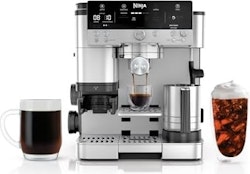
Espresso machines range from simple to elaborate, and the right one depends on how much hands-on involvement you want.
Types
- Pod/capsule machines: The simplest. Insert a capsule, press a button. Consistent and tidy, but the cost per cup is usually higher than whole beans, and you're limited to compatible pods.
- Semi-automatic machines: You grind (or buy ground coffee), tamp and start/stop the shot. Rewarding and flexible, with a learning curve. Many include a steam wand for milk drinks.
- Automatic and super-automatic machines: Grind, dose and brew with a button press, sometimes frothing milk too. Convenient, generally more expensive, and more complex to maintain.
What to consider
- Grinder. For semi-automatic machines, a good grinder matters a lot. Some machines have built-in grinders; otherwise, budget for one. Pre-ground coffee works but limits control.
- Milk drinks. If you love lattes and cappuccinos, look for a steam wand or automatic frother, and check reviews about how easy it is to use and clean.
- Heat-up time and size. Some machines warm up quickly; others take longer. Check the footprint and water tank size.
- Maintenance. Espresso machines need regular cleaning and descaling. Look for removable parts and clear instructions.
- Total cost of ownership. Pods, beans, filters, descaling supplies and accessories add up over time.
How to judge appliance deals
- Check the exact model number. Appliance lines often have many near-identical versions with different accessories or features. Search the model to read reviews of that exact version.
- Compare price history. Kitchen appliances go on sale frequently, particularly around major shopping events. See our guide on whether a price drop is real.
- Ignore inflated bundles. Extra accessories are only valuable if you'll use them.
- Read the return policy. Opened appliances may have different return rules.
- Consider refurbished. Some manufacturers sell certified refurbished appliances with warranties.
The bottom line
Pick the appliance that solves a real problem in your kitchen, sized for your household and counter space, from a brand with a reasonable warranty. Then wait for a genuine price drop. Browse today's home and kitchen deals, and read our Black Friday survival guide for timing tips.